
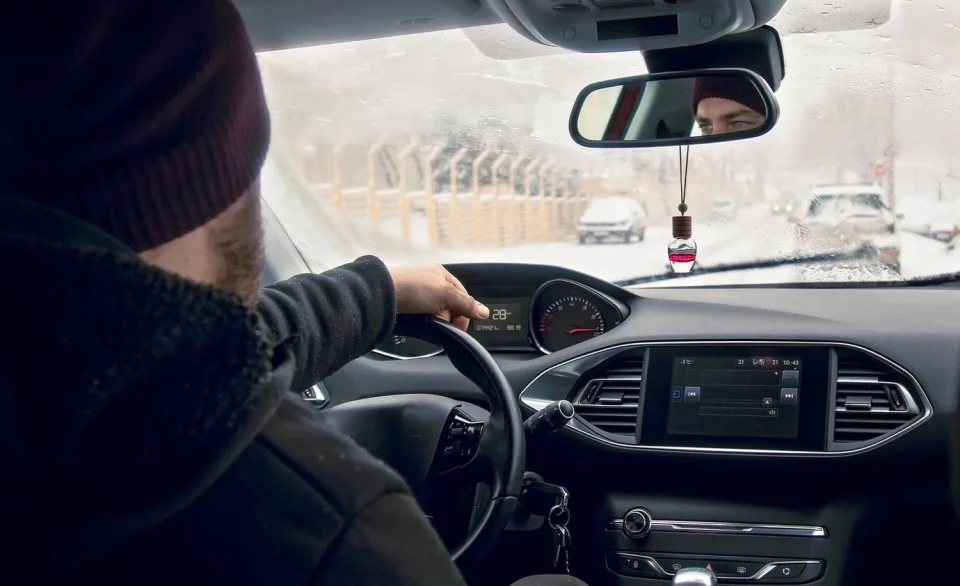
Car driving is more than a routine act—it is an artful discipline, sculpted by attention, finesse, and a sense of shared responsibility. On today’s bustling streets and winding highways, the driver who navigates with calm intent and subtle wisdom sets the tone for safety, civility, and satisfaction. This guide offers thoughtful car driving tips for those who aspire not merely to get from point A to point B, but to do so with grace, confidence, and an enduring sense of purpose.
Laying the Foundation: Preparation Meets Mindset
Morning Rituals for the Road
-
Mental Calm: Begin each drive with presence—take a few deep breaths, adjust your posture, and let go of distractions.
-
Cabin Order: Clear unnecessary items from the cabin. Organized space fosters clarity behind the wheel.
-
Personal Setup: Confirm your seat is positioned for optimal comfort and reach; mirrors adjusted for broad visibility; steering wheel in a relaxed, natural grip.
-
Quick Vehicle Inspection: Check tire inflation, fuel or charge level, dashboard alerts, lights, and wipers—preempting surprises.
Route Readiness
-
Plan your main route and an alternative in case of delays or unforeseen detours.
-
Set your navigation and playlist before shifting into gear to avoid distractions on the move.
Core Techniques: Harmonizing Skill with Safety
Managing Speed and Spacing
-
Respect the Conditions: Go beyond posted speed limits—adapt to rain, poor light, congestion, or unfamiliar roads.
-
The Three-Second Rule: Maintain at least a three-second gap from the car ahead; increase this buffer in challenging weather or at higher speeds.
-
Smooth Movements: Accelerate and brake gently to preserve vehicle health and nurture passenger comfort.
Mastering Lane Discipline
-
Hold a steady, centered position; avoid drifting or abrupt lane changes.
-
Use turn signals early and decisively. Clear communication with other drivers supports predictability and trust.
-
Always check mirrors and execute a shoulder glance before merging or changing lanes.
Observation—Seeing the Whole Scene
-
Scan Constantly: Look far ahead, to the sides, and frequently in mirrors. Anticipate not just the behavior of the car in front but all players in your environment.
-
Peripheral Awareness: Stay alert for pedestrians, cyclists, and motorbikes—vulnerable users often escape notice.
Navigating Varied Contexts: City Streets to Open Roads
Urban Tact
-
Expect erratic behaviors from delivery vehicles, rideshare drivers, and distracted pedestrians.
-
Yield at crosswalks, pause at busy intersections, and remain patient in traffic—rushed decisions invite risk.
Highway Harmony
-
Use cruise control to minimize fatigue (but not as a license for inattention).
-
Take breaks every two hours to stretch and refresh; fatigue is a stealthy adversary.
-
Overtake cleanly and decisively, always checking for fast-approaching vehicles and leaving ample space.
Mastering Adverse Conditions
Rain, Snow, and Low Visibility
-
Reduce speed; increase following distance and avoid sudden moves.
-
Use headlights in rain or fog (never high beams) and be gentle with all controls.
-
In snow, ease steering, braking, and acceleration—carry seasonal supplies like a scraper, blanket, and an emergency kit.
Dusk and Night Driving
-
Drive slower to enhance reaction time.
-
Ensure all lights are working and windows are clean inside and out.
Table: Quick Reference for Adverse Weather
| Condition | Adjustments | Essential Precaution |
|---|---|---|
| Rain | Slow down, headlight use, more space | Check tire tread and wipers |
| Fog | Low beams, slow pace, open windows | Use right edge as visual guide |
| Snow/Ice | Gentle inputs, extra gap, slow turns | Winter tires, emergency supplies |
Practicing Defensive Driving: Anticipate, Don’t React
-
Assume Imperfection: Expect errors from others and build in escape routes.
-
Buffer Zones: Leave space on all sides, especially near erratic or impaired drivers.
-
De-escalate: Never engage with aggression or impatience—let provocations go and maintain your own standard of conduct.
Harnessing Technology—With Discipline
-
Use advanced driver aids (lane keep assist, adaptive cruise) judiciously, as supplements rather than substitutes for awareness.
-
Resist temptation to check messages or calls while moving. If urgent, pull over safely.
Emotional Intelligence Behind the Wheel
-
Acknowledge frustration or stress. Take a brief pause rather than acting rashly.
-
Cultivate empathy: a wave of thanks, yielding to merge, or forgiving a mistake can restore harmony and reduce tension on the road.
Lifelong Learning: Evolving Alongside the Roads
-
Stay current with local traffic laws; rules and signage evolve with new infrastructure.
-
Invest in periodic advanced/defensive driving courses; even veteran drivers benefit from practice and feedback.
-
Reflect after challenging journeys—what worked, what could be sharper, and how to refine your own habits.
Table: At-a-Glance Car Driving Tips
| Principle | Practical Application | End Benefit |
|---|---|---|
| Preparation | Mental reset and cabin check | Fewer surprises, better reaction |
| Spacing | Three-second rule, larger gap in poor weather | More time to respond |
| Communication | Early signaling, mirror check, courtesy | Predictability for all |
| Defensive Attitude | Anticipate mistakes, plan escapes | Reduced risk, calmer experience |
| Technology Awareness | Driver aids supplement, not lead | Deeper engagement, fewer errors |
Conclusion: Car Driving as a Daily Art
Excellence on the road is both a practice and a philosophy—a confluence of discipline, reflection, and respect for the lives journeying alongside. To drive beautifully is an act of quiet leadership; it conserves energy, protects communities, and injects a note of grace into everyday motion. Embrace these car driving tips as living habits—guiding you not just toward safer journeys, but toward a motoring life marked by calm, satisfaction, and the privilege of steady hands on the wheel.
