
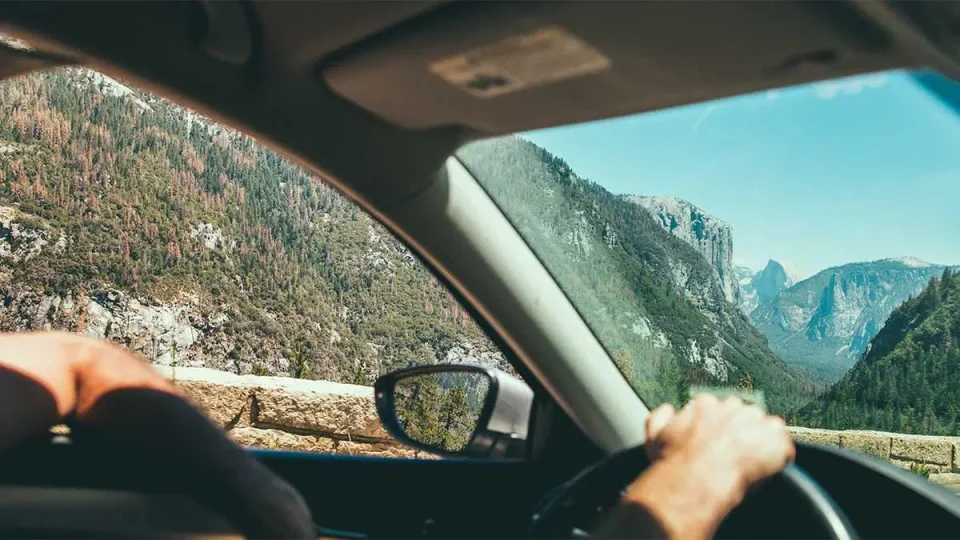
In a world awash with movement, driving stands as both necessity and art—a daily practice combining skill, judgment, and a dash of creativity. For those who view car driving as more than a mechanical task, mastery lies in details: poise, anticipation, and a commitment to continuous growth. This article distills car driving tips with a sophisticated touch, guiding you through both the subtle psychology and pragmatic skills that mark the truly excellent driver.
Setting the Stage: Groundwork for Command Behind the Wheel
The Ritual of Readiness
-
Mental Preparation: Begin each drive by centering yourself. Take two deep breaths, clear lingering distractions, and enter the car with a calm, focused mind.
-
Ergonomic Assessment: Adjust your seat for proper posture—knees slightly bent, arms relaxed, back well-supported. Fine-tune mirrors to maximize visibility and minimize blind spots.
-
Organizational Sweep: Remove unnecessary clutter from the cabin. A tidy environment fosters clarity and reduces the likelihood of unexpected distractions.
Safety Checks Before Launch
-
Inspect tire pressure and tread depth.
-
Confirm all lights, indicators, and wipers function perfectly, especially before night or inclement weather driving.
-
Check fluid levels—oil, coolant, washer fluid, and brake fluid—to avert surprises.
Mastery in Motion: Core Techniques for Refined Driving
Embracing Speed and Spacing
-
Adapt to Context: Respect posted speed limits but adapt to the realities of weather, traffic, and road condition. True mastery means knowing when slow is wise and when brisk is prudent.
-
The Three-Second Rule: Maintain a minimum of three seconds’ following distance—doubling it in rain, fog, or heavy traffic—to create a buffer for reaction time.
-
Smooth Transitions: Accelerate and brake with progressive pressure, minimizing abrupt jolts. This not only preserves your car’s components—it also soothes passengers and boosts focus.
Lane Discipline and Fluid Communication
-
Steady Placement: Keep a centered trajectory within your lane, avoiding weaving or last-minute shifts.
-
Early Signaling: Use turn signals proactively, well before lane changes or turns. This simple courtesy forms the backbone of road trust.
-
Constant Awareness: Check mirrors every few seconds. Always perform a quick shoulder glance before merging or changing lanes, regardless of technology aids.
The Art of Observation
-
Scan Broadly: Don’t fixate on the car immediately ahead. Look fifteen seconds down the road—scan for brake lights, erratic traffic, and subtle hazards.
-
Peripheral Vigilance: Stay alert to side traffic, cyclists, and pedestrians—especially near intersections and crosswalks.
Encountering Complexity: Urban and Highway Dynamics
The Urban Ballet
-
Expect unpredictability—from sudden stops to errant pedestrians. Adopt patience as a tool, not a virtue.
-
Yield willingly, especially at crosswalks or busy intersections—your unhurried presence calms chaos.
-
Avoid aggressive maneuvers in dense traffic; steady, gentle progress often yields quicker, less stressful journeys.
Highway Harmony
-
Use cruise control for long, open stretches, but never surrender vigilance.
-
Overtake with confidence: signal early, accelerate decisively, and return smoothly to your lane after ample clearance.
-
Schedule breaks every two hours on prolonged trips. A fresh mind is the best safety system.
Weathering Adversity: Elevating Safety in Unfavorable Conditions
| Condition | Driving Adjustment | Key Consideration |
|---|---|---|
| Rain/Fog | Slow down, increase spacing | Use low beams, avoid puddles |
| Snow/Ice | Gentle inputs, larger cushions | Equip winter tires as needed |
| Night Driving | Reduce speed, adjust mirrors | Clean all lights and glass |
-
Use headlights anytime visibility is compromised, not just at night.
-
Avoid sudden movements on slick surfaces; steer, brake, and accelerate as if you are walking on ice.
Defensive Driving: The Art of Preemption
-
Assume Imperfection: Expect the occasional mistake by others. Always leave yourself an “out”—a space or alternative path if things go wrong.
-
De-escalate: Never respond to aggression with aggression. If challenged, create distance rather than competition.
-
Buffer Zones: Leave extra space when sandwiched between large vehicles or weaving drivers.
Leveraging Technology—Thoughtfully
-
Understand Your Tech: Become fluent in your vehicle’s features—lane assists, adaptive cruise control, and emergency braking should support, not replace, skill.
-
Limit Distraction: Employ hands-free devices prudently. If a task requires more than brief attention, pull over safely.
-
Update Regularly: Keep navigation software and safety features current for best results.
Emotional Resilience: Composure as a Driving Virtue
-
Recognize the onset of frustration or fatigue and take a short break instead of pushing through.
-
Practice gratitude—acknowledge courteous acts with a wave.
-
Learn from each journey; reflect on moments where better decisions could have made the experience smoother.
Lifelong Learning and Continual Improvement
-
Revise knowledge of traffic laws annually; legislation evolves more often than many realize.
-
Pursue advanced driving courses as a form of continuing education—they refresh critical skills and may reduce insurance premiums.
-
After challenging drives, note what worked and areas for improvement. Growth is the signature of mastery.
Table: Hallmarks of the Skillful Driver
| Principle | Habit in Practice | Lasting Benefit |
|---|---|---|
| Preparation | Mental reset, organized cabin | Fewer distractions, better response |
| Safe Spacing | Consistent following distance | Reduced risk, more options |
| Observation | Scanning, frequent mirror checks | Prevention over reaction |
| Communication | Early signaling, courteous engagement | Smoother traffic flow |
| Tech Stewardship | Wise use of aids, updated systems | Augmented safety, confidence |
| Emotional Mastery | Calming pauses, reflective learning | Enjoyment, steady improvement |
Conclusion: Driving Well as a Signature of Character
True car driving skill arises from the union of composure and craft—a quiet orchestra of awareness, restraint, and anticipation. In every journey, the accomplished driver champions not just their destination, but the safety and serenity of all who share the road. Let these car driving tips serve not as a strict checklist, but as a living code—guiding you toward journeys where every mile reflects the depth of your standards and the grace of your intent.
