
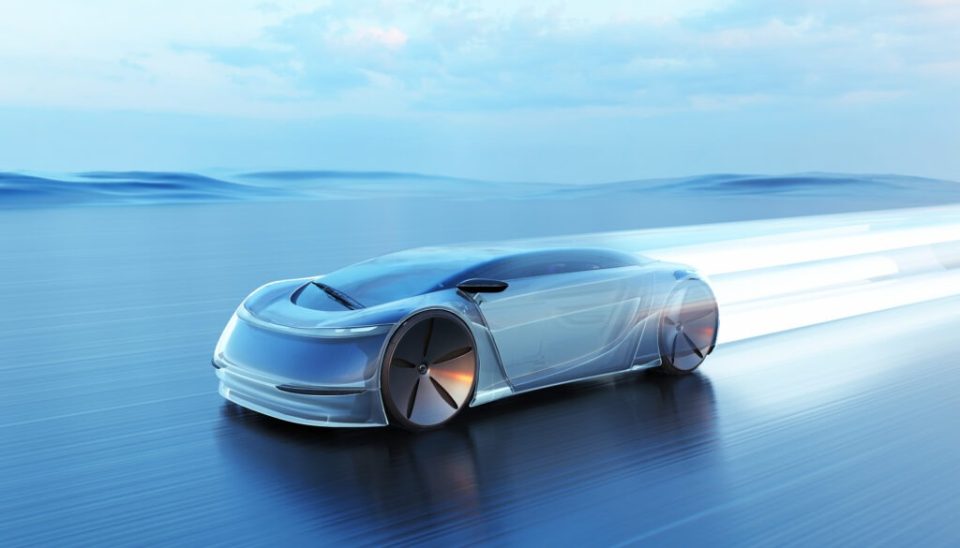
The story of vehicles unfolds as one of relentless progress—a testament to humanity’s desire for connection, efficiency, and self-expression. No longer just mechanical workhorses, vehicles have grown into multifaceted companions that shape cities, economies, and even our self-identity. This article takes you on a reflective journey through the evolving landscape of vehicles, exploring their forms, technology, and enduring influence on the world around us.
The Evolutionary Arc: From Conception to Contemporary Icons
Building the Legacy
-
Wheels of Antiquity: Early vehicles—simple carts and chariots—redefined distance, trade, and civilization’s boundaries.
-
The Age of Engines: The 19th and 20th centuries brought the combustion engine, mass production, and the first gleaming rows of automobiles. Landmark vehicles like the Model T democratized travel, inviting society into an era of mobility1.
-
Today’s Spectrum: Modern vehicles span electric cars, crossovers, motorcycles, scooters, e-bikes, and commercial titans, each offering different blends of purpose and sophistication23.
Key Technological Milestones
-
Electronically controlled differentials, smart headlamps, and stability systems have redefined performance and safety.
-
The rise of electric vehicles (EVs), hybrids, and advanced infotainment has redrawn expectations for efficiency and connectivity.
-
Autonomous driving, vehicle-to-everything (V2X) communication, and artificial intelligence herald a future limited only by our imagination4.
Exploring the Vehicle Pantheon: Diversity in Motion
Personal Transportation
-
Cars: Sedans, hatchbacks, luxury saloons, and city-friendly micro-cars continue to form the backbone of daily mobility.
-
Motorcycles and Scooters: Agile and economical, they thrive in dense urban environments and fuel passionate subcultures.
-
Bicycles and E-Bikes: Eco-friendly solutions balancing convenience with sustainability, increasingly vital in modern cities.
The Powerhouses
-
Trucks and Pickups: Essential for construction, logistics, and personal utility; their rugged reliability keeps industries humming.
-
Buses and Public Transit: Buses, trams, and trains underpin mass movement, reducing congestion and fostering urban connectivity3.
-
Commercial and Specialty Vehicles: Delivery vans, ambulances, fire engines, tractors, and construction machines—each designed for unique and vital roles.
Unconventional Movers
-
Boats, Aircraft, and Drones: Connecting continents and providing answers to last-mile delivery, disaster relief, and scenic escape.
Design, Engineering, and Experience: Where Art Meets Science
Aesthetics and Ergonomics
-
Exterior design marries aerodynamic finesse with statement-making presence—sleek coupes, assertive SUVs, or avant-garde electric crossovers.
-
Interiors have shifted from spartan to sanctuary, with ergonomic controls, ambient lighting, and luxurious materials enhancing comfort and utility.
Performance and Protection
-
Advanced driver-assist features such as lane keeping, adaptive cruise, and automated emergency braking make journeys safer and less taxing4.
-
Materials science—lightweight carbon fiber, high-strength steel—delivers both athletic performance and improved fuel economy.
Infotainment and Connectivity
-
Touchscreens, smartphone integration, and voice control transform vehicles into mobile command centers, reflecting digital life on the move.
Societal and Environmental Influence: Vehicles as Engines of Change
Urban Shaping
-
The road network, zoning, and lifestyle patterns all pivot around vehicle accessibility. Garage architecture, suburban sprawl, and public transportation hubs—these are vehicles’ silent blueprints.
-
Micro-mobility and shared vehicles reshape city planning, supporting green corridors and inclusive design.
Economic Lifeline
-
Vehicles support a global web of commerce—manufacturing, maintenance, logistics, and innovation spur millions of careers and untold economic activity.
-
Commercial vehicles ensure timely delivery of food, medicine, and fuel, making them pillars of daily life.
Cultural Milestones
-
Iconic vehicles—London taxis, American muscle cars, and the Volkswagen Beetle—inspire films, music, and generational identities.
-
Vehicles mark personal milestones: from the freedom of a first car to the shared bonding of family road trips.
Toward Sustainability
-
Electrification and alternate fuels are sharply reducing emissions, supported by ever-expanding charging and hydrogen networks.
-
Circular economy practices—remanufactured parts, recycling, and end-of-life vehicle programs—signal a wider commitment to environmental stewardship.
Future-Forward: The New Philosophy of Mobility
-
Autonomy and AI: Self-driving technology promises to transform both personal and public transport, enhancing safety and freeing drivers for new pursuits.
-
Smart Integration: Vehicles are becoming part of intelligent networks—communicating with infrastructure, homes, and digital assistants for seamless experience.
-
Flexible Ownership: Subscription models, ride-sharing, and micro-leasing answer the need for flexibility and efficiency, especially in urban centers.
Comparative Table: Vehicle Forms and Their Core Functions
| Vehicle Type | Primary Function | Emerging Trend/Innovation |
|---|---|---|
| Sedan | Daily transport, versatility | Hybrid/EV, ADAS tech |
| SUV/Crossover | Family, adventure, status | Connectivity, all-wheel drive |
| Pickup Truck | Cargo, industry, utility | Electrification, rugged luxury |
| Bus/Minivan | Group transport, mass transit | Accessibility, zero-emissions |
| Motorcycle/E-Bike | Urban agility, leisure | Electrification, smart helmets |
| Specialty/Commercial | Essential services, logistics | Autonomous delivery, telematics |
Navigating the Choice: The Thoughtful Buyer’s Touchpoints
-
Assess daily patterns: commute, family needs, recreational habits.
-
Reflect on values: sustainability, tech-savvy, brand loyalty, or budget wisdom.
-
Balance newness with tested reliability; sometimes a seasoned sedan with history offers deeper assurance than cutting-edge novelty.
Conclusion: Vehicles as Living Tapestries
Vehicles, in their ever-morphing forms, are woven deeply into both the fabric of society and the stories of our lives. They are mirrors reflecting our progress and aspirations, platforms for innovation, and bridges between past and future. As technology accelerates and our needs evolve, the vehicles we choose—and the manner in which we choose them—signal both who we are and where we collectively wish to go. With foresight, curiosity, and a sense of stewardship, we are empowered not only to drive, but to shape the very journey of modernity itself.
