
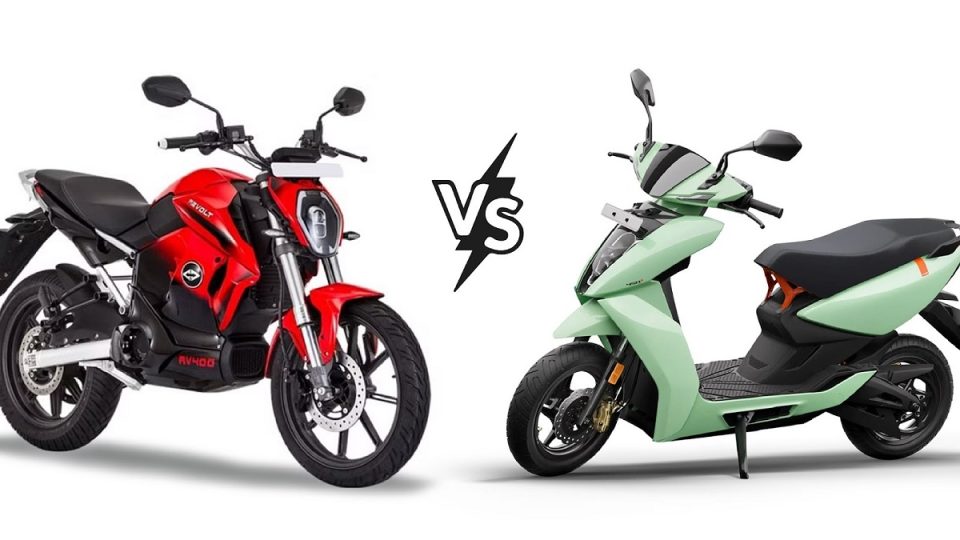
The rise of eco-friendly commuting has brought two main contenders to the forefront: Artisan Scooters and traditional electric bikes. As more people in the UK look for sustainable and efficient travel options, deciding between these two can be surprisingly complex. Both offer impressive benefits in convenience, style, and practicality, but each suits different lifestyles and needs. Whether you’re commuting across a busy city or seeking a reliable way to get around your local area, understanding the differences between these electric vehicles can help you make an informed choice.
Understanding the Basics
Before exploring which option might best suit you, it’s worth clarifying the fundamentals. Traditional electric bikes, often called e-bikes, function similarly to standard bicycles but are fitted with an electric motor that provides pedal assistance. This means you still need to pedal, but the motor reduces effort, especially on hills or long journeys. In contrast, Artisan Scooters—which fall under the broader category of electric scooters or mopeds—operate more like small electric motorbikes. They rely on a throttle rather than pedalling, allowing for effortless acceleration and smooth, automatic operation. This key distinction determines not only how each vehicle feels to ride but also how it fit into different lifestyles and commuting patterns.
Design and Comfort
When it comes to design, Artisan Scooters often stand out with their refined and retro-inspired aesthetics. They’re built with comfort and durability in mind, offering cushioned seats, wide tyres, and ample storage. Riders can easily accommodate essentials such as shopping bags, briefcases, or helmets. On the other hand, electric bikes tend to focus on lightweight efficiency, with sleeker frames and a focus on performance. They resemble traditional bicycles but incorporate compact motors and batteries seamlessly into their design.
If you value comfort and elegance during your commute, scooters offer a more relaxed, upright seating position, appealing to those who prefer a smoother ride without physical exertion. Meanwhile, electric bikes suit individuals who enjoy cycling but appreciate a little extra assistance. The difference lies in your preference for physical activity: those wanting a mild workout may lean towards an e-bike, while those prioritising convenience and effortless travel might find scooters far more appealing.
Speed and Performance
Speed is another significant factor when comparing Artisan Scooters and traditional e-bikes. Most UK e-bikes are restricted by law to a maximum speed of 15.5 mph when using electric assistance. Once you exceed that, you must rely on your own pedalling power. In contrast, electric scooters like those from Artisan Electrics can reach higher speeds—depending on the model, often between 25 and 50 mph. This makes scooters ideal for longer commutes or semi-urban travel, where a bit more pace can make the journey quicker and more efficient.
However, this extra speed does come with added responsibility. Scooters are classified differently under UK regulations, requiring registration, insurance, and, in some cases, a valid license. Electric bikes, by comparison, are treated as standard bicycles and can be ridden without any license or registration, offering greater flexibility for those who want simplicity and minimal paperwork.
Range and Battery Life
Both electric bikes and scooters rely on battery-powered systems, but their ranges and charging requirements differ. A quality e-bike typically offers a range between 25 and 50 miles per charge, depending on factors such as terrain, rider weight, and power mode. In contrast, Artisan Scooters are engineered for more extended travel, often achieving between 40 and 80 miles on a single charge. Some premium models even feature removable batteries, allowing users to swap out power packs for uninterrupted journeys.
Charging times vary as well. E-bike batteries usually take around 3 to 5 hours to recharge fully, while scooter batteries might take slightly longer due to their higher capacity. If your daily travel covers longer distances or you prefer fewer charging sessions, scooters present a more robust solution. Conversely, if your commute is short or you can easily recharge at home or work, an e-bike remains an economical choice.
Cost and Maintenance
When making any transport-related decision, cost is always a determining factor. Generally, e-bikes have a lower upfront cost, with quality models ranging from £1,000 to £2,500. Artisan Scooters, meanwhile, start at around £2,000 and can increase in price depending on specifications and battery size. While scooters may appear more expensive initially, they offer better long-term value for riders who need consistent speed, a more extended range, and superior comfort.
Maintenance requirements also differ. Electric bikes have fewer complex parts and can often be serviced at standard bicycle repair shops. Scooters, being more mechanically advanced, may need specialised servicing and parts. However, reputable suppliers such as Artisan Electrics ensure that replacement components and aftercare support are readily available across the UK.
Environmental Impact
Both electric bikes and scooters contribute significantly to reducing carbon emissions compared with petrol-powered alternatives. They use clean electric energy, emit no exhaust fumes, and are far quieter, making them an essential factor for urban environments trying to reduce noise pollution. However, scooters generally consume more energy due to their higher power output and weight. E-bikes are the greener option for those focused on maximum efficiency and minimal environmental impact.
That said, modern Artisan Scooters use advanced lithium-ion batteries that are fully recyclable and built to last for thousands of charge cycles. This reduces waste and ensures a smaller ecological footprint over time. Choosing between them depends on balancing your need for performance with your commitment to sustainability.
Practicality and Everyday Use
In everyday use, Artisan Scooters provide an undeniable edge in convenience. You don’t need to pedal, making them perfect for commuting in work attire without arriving sweaty or tired. Many models come with storage compartments, phone charging ports, and even built-in GPS systems. E-bikes, while less feature-heavy, excel in versatility. They can be ridden on cycle paths, carried onto trains, and stored more easily due to their lighter weight.
If your journey includes a combination of public transport and cycling, an e-bike offers unmatched practicality. However, if you prefer an independent mode of transport with greater comfort and range, scooters win on convenience and capability.
Legal Considerations in the UK
Before purchasing, it’s important to understand the legal framework. In the UK, e-bikes that meet specific regulations (motor power not exceeding 250W and maximum assisted speed of 15.5 mph) are classed as Electrically Assisted Pedal Cycles (EAPCs). These can be used anywhere a standard bike is allowed. Scooters, including Artisan Scooters, are classified as mopeds and require registration, insurance, and a valid CBT or motorcycle license. Riders must also wear helmets and comply with road traffic laws.
Understanding these distinctions helps ensure you stay compliant and safe while enjoying your new ride. Always consult reliable sources, such as Artisan Electrics, for the latest legal guidance and safety tips before making a purchase.
Making the Right Choice
Ultimately, the choice between Artisan Scooters and traditional electric bikes depends on your lifestyle, commuting distance, and comfort preferences. If you seek effortless travel, a stylish design, and higher speed for longer routes, a scooter delivers unbeatable value and convenience. However, if you prefer a more active, eco-conscious option that blends exercise with mobility, an e-bike remains the better fit.
Both technologies represent the future of personal transport—quiet, clean, and efficient. Whether you choose the power and polish of Artisan Scooters or the agility of an electric bike, you’re investing in a more innovative, greener way to move through the world.
Final Thoughts
Both options have distinct strengths, but your final decision should align with your daily habits, budget, and comfort expectations. For anyone seeking a dependable and stylish electric vehicle built for the UK’s roads, Artisan Electrics stands as a trusted choice—offering quality engineering and timeless design that redefine what it means to travel sustainably.
