
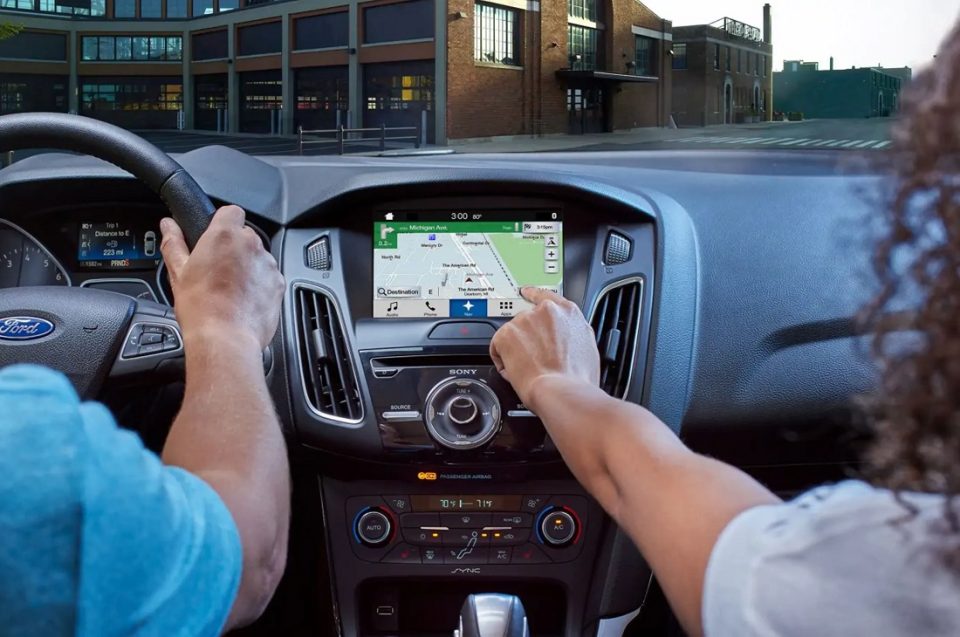
Modern automobiles are no longer defined solely by engines, transmissions, and mechanical precision. Today’s vehicles are sophisticated digital platforms powered by millions of lines of code. From safety systems to infotainment and performance tuning, software has become the backbone of the modern driving experience, making regular software updates not just useful, but essential.
The Evolution of Cars into Software-Driven Machines
A decade ago, vehicle software played a limited role, mainly supporting engine control and diagnostics. Today, cars function more like rolling computers.
Key vehicle functions now controlled by software include:
-
Engine and transmission management
-
Advanced driver assistance systems (ADAS)
-
Navigation and infotainment
-
Battery management in electric vehicles
-
Climate control and comfort features
As vehicles become increasingly connected, software quality directly impacts reliability, safety, and user satisfaction.
Why Software Updates Matter More Than Ever
Enhanced Safety and Reliability
Software updates can fix critical bugs that may affect braking systems, sensors, or driver assistance features. Instead of costly recalls, manufacturers can now deploy fixes digitally, improving safety in real time.
Benefits include:
-
Correcting sensor calibration issues
-
Improving collision detection algorithms
-
Enhancing stability and traction control performance
Improved Performance and Efficiency
Updates are not limited to bug fixes. Many updates optimize vehicle performance, sometimes delivering noticeable improvements without any hardware changes.
Examples include:
-
Better fuel efficiency through refined engine mapping
-
Increased electric vehicle range via battery optimization
-
Smoother gear shifting and throttle response
Over-the-Air (OTA) Updates: A Game Changer
One of the biggest shifts in the automotive world is the rise of over-the-air updates. These updates allow vehicles to receive new software remotely, much like smartphones.
Advantages of OTA Updates
-
No dealership visit required
-
Faster deployment of security patches
-
Continuous feature enhancements over the vehicle’s lifespan
This capability transforms car ownership from a static experience into an evolving one, where vehicles can improve long after leaving the showroom.
Cybersecurity: Protecting the Connected Vehicle
As cars become more connected, they also become potential targets for cyber threats. Regular software updates are critical to maintaining vehicle cybersecurity.
Updates help by:
-
Closing security vulnerabilities
-
Strengthening encryption protocols
-
Preventing unauthorized access to vehicle systems
Without updates, connected vehicles risk becoming outdated and exposed in an increasingly digital environment.
Extending Vehicle Lifespan and Resale Value
Software updates play a surprising role in preserving long-term vehicle value. A car with updated software typically offers better performance, fewer issues, and access to newer features.
This leads to:
-
Reduced maintenance problems
-
Higher resale value
-
Longer relevance in a fast-evolving market
In many cases, software updates can delay hardware obsolescence, keeping vehicles competitive for years.
Supporting Electric and Autonomous Technologies
Electric vehicles and semi-autonomous systems depend heavily on software accuracy. Battery management, regenerative braking, and driver assistance all require constant refinement.
Regular updates enable:
-
Improved charging efficiency
-
Better range prediction accuracy
-
Enhanced lane-keeping and adaptive cruise behavior
Without updates, these advanced systems cannot reach their full potential.
The Future of Automotive Software
As vehicles continue to integrate artificial intelligence and cloud-based services, software updates will become as routine as refueling or charging. Manufacturers are shifting toward subscription-based features and modular software platforms, further increasing the importance of consistent updates.
Cars are no longer finished products at purchase—they are living systems that evolve through software.
Frequently Asked Questions (FAQs)
1. How often do modern cars receive software updates?
The frequency varies by manufacturer, but many vehicles receive updates several times a year, especially those with over-the-air capabilities.
2. Can software updates change how a car drives?
Yes, updates can improve acceleration, braking response, steering feel, and overall drivability through refined control algorithms.
3. Are software updates mandatory for vehicle safety?
While not always legally mandatory, many updates address safety-related issues and are strongly recommended by manufacturers.
4. Do software updates affect fuel economy or battery range?
In many cases, updates can enhance efficiency, leading to improved fuel economy or extended electric driving range.
5. Is there a risk involved in updating car software?
Risks are minimal when updates are performed correctly, but interruptions during installation can cause temporary system issues.
6. Do older vehicles benefit from software updates?
Yes, as long as the vehicle supports updates, older models can gain stability improvements, bug fixes, and sometimes new features.
7. Will future cars rely entirely on software updates?
While hardware will always matter, future vehicles will increasingly depend on software updates to remain secure, efficient, and competitive.
