
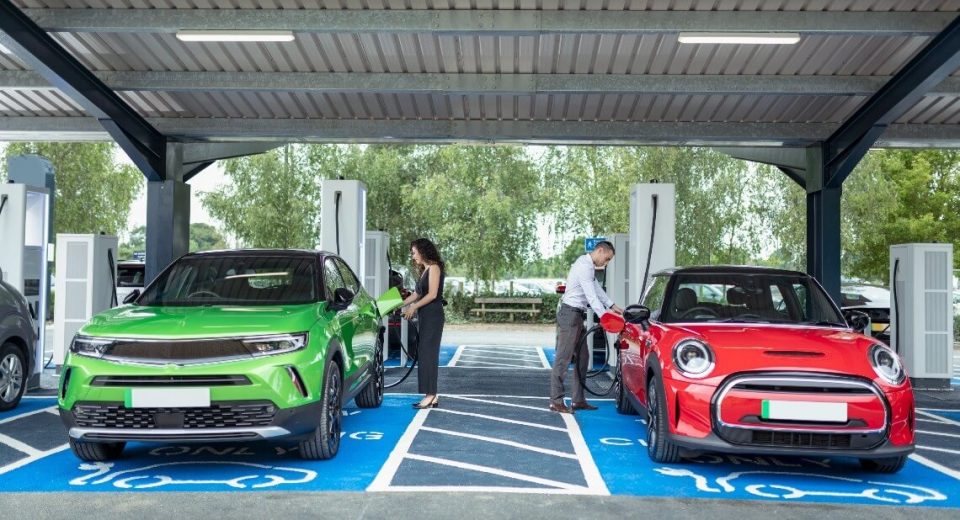
Electric cars have moved well beyond early adoption. Today’s EVs offer competitive range, improving charging infrastructure, and lower running costs compared to traditional gasoline vehicles. This review breaks down real-world driving range, charging practicality, and the day-to-day ownership experience to help buyers understand what living with an electric car is actually like.
Real-World Driving Range Explained
Manufacturers advertise impressive range figures, but real-world conditions often tell a different story. Factors such as driving style, climate, terrain, and vehicle load all affect how far an EV can travel on a single charge.
What impacts real-world range most:
-
High-speed highway driving
-
Cold or extremely hot weather
-
Aggressive acceleration
-
Use of air conditioning or heating
Most modern electric cars deliver 10–20% less range than official estimates, which is still sufficient for daily commuting and short trips.
Charging Options and Charging Time
Charging convenience plays a major role in EV ownership satisfaction. Electric cars can be charged in multiple ways, each suited to different lifestyles.
Home Charging
Home charging is the most convenient and cost-effective option for most owners.
Home charging highlights:
-
Level 1 charging uses a standard wall outlet (slow)
-
Level 2 charging offers significantly faster overnight charging
-
Lower electricity cost compared to public fast chargers
Installing a Level 2 charger at home dramatically improves the EV experience.
Public Charging Networks
Public charging has expanded rapidly, especially along highways and in urban areas.
Public charging considerations:
-
DC fast chargers can add 60–80% charge in 20–40 minutes
-
Charging speeds vary by vehicle and station
-
Availability improves but can still be inconsistent in rural areas
Brands like Tesla continue to lead with reliable fast-charging networks, while other automakers rely on third-party providers.
Daily Ownership Experience
Owning an electric car feels different from driving a gasoline vehicle, but the transition is easier than many expect.
Daily EV ownership benefits:
-
Quiet and smooth driving experience
-
Instant torque for quick acceleration
-
Fewer mechanical parts and less maintenance
-
No oil changes or exhaust system repairs
Regenerative braking also reduces brake wear and improves efficiency, making city driving especially pleasant.
Maintenance and Long-Term Reliability
Electric cars generally require less maintenance than internal combustion vehicles.
Lower maintenance areas include:
-
No engine oil or spark plugs
-
Fewer moving parts
-
Reduced brake wear
Battery longevity has improved significantly, with many manufacturers offering 8–10 year battery warranties. Brands like Hyundai and Ford now provide strong warranty coverage, increasing buyer confidence.
Cost of Ownership and Savings
While upfront prices can be higher, electric cars often cost less to own over time.
Cost advantages include:
-
Lower fueling costs compared to gasoline
-
Reduced maintenance expenses
-
Potential tax incentives and rebates
-
Higher resale value for popular EV models
Over several years, these savings can offset the higher purchase price.
Challenges to Consider Before Buying
Electric cars are not without drawbacks, and buyers should be realistic about limitations.
Common challenges:
-
Longer refueling time compared to gas stations
-
Charging access for apartment or condo dwellers
-
Range anxiety on long trips
-
Cold-weather efficiency loss
Understanding your daily driving habits is key to determining if an EV fits your lifestyle.
Final Verdict
Electric cars offer a compelling ownership experience with smooth performance, lower operating costs, and improving charging infrastructure. While range and charging still require planning, most drivers find EVs practical and enjoyable for everyday use. As technology continues to improve, electric vehicles are becoming a mainstream choice rather than a niche alternative.
Frequently Asked Questions (FAQs)
1. How accurate are advertised electric car range figures?
They are tested under ideal conditions, so real-world range is usually slightly lower.
2. Is home charging necessary to own an electric car?
Not mandatory, but home charging greatly improves convenience and reduces costs.
3. How long do electric car batteries typically last?
Most batteries are designed to last 8–10 years or longer with proper use.
4. Are electric cars good for long road trips?
Yes, with planning and access to fast chargers, long trips are very manageable.
5. Do electric cars lose range as they age?
Battery degradation occurs gradually but is usually minimal in the first several years.
6. Is charging an EV cheaper than buying gasoline?
In most regions, electricity costs less than gasoline on a per-mile basis.
7. Are electric cars suitable for cold climates?
Yes, though cold weather can reduce range, modern EVs are well-equipped for winter driving.
