
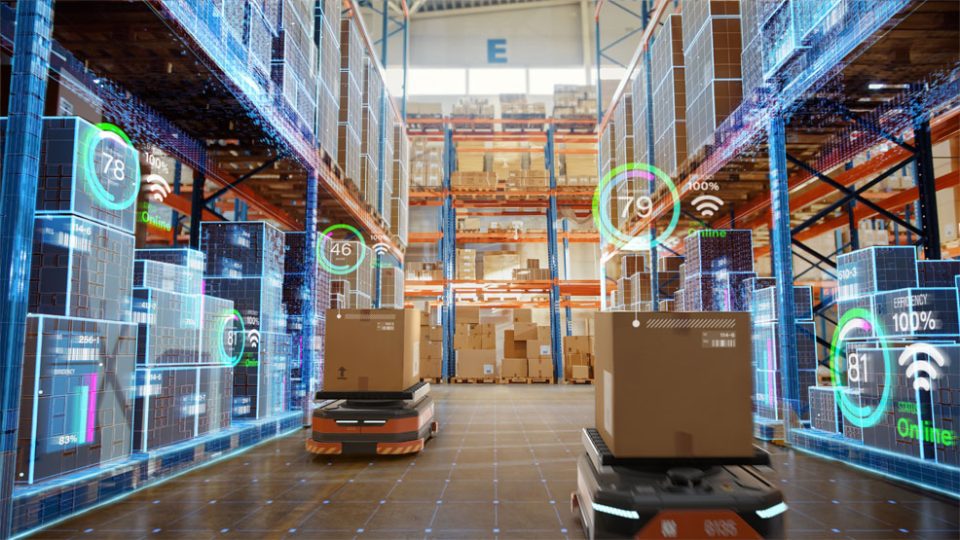
Logistics optimization is the process of streamlining transportation, warehousing, inventory, and distribution activities to achieve maximum efficiency at minimal cost. In a competitive business environment, optimized logistics is no longer optional—it is a critical strategy for reducing operational expenses while maintaining service quality.
By eliminating inefficiencies and leveraging data-driven decisions, businesses can significantly lower costs across their supply chain.
Understanding Logistics Optimization
Logistics optimization focuses on improving how goods move, where they are stored, and how resources are allocated. It aligns operational processes with real demand, ensuring that money is not wasted on unnecessary movement, excess inventory, or poor planning.
Key objectives include:
-
Minimizing transportation and fuel costs
-
Reducing inventory holding expenses
-
Improving labor productivity
-
Enhancing delivery accuracy and speed
Key Ways Logistics Optimization Lowers Operational Costs
Improved Transportation Efficiency
Transportation often represents the largest share of logistics costs. Optimization helps businesses:
-
Plan shorter and smarter delivery routes
-
Consolidate shipments to avoid underutilized vehicles
-
Select cost-effective transport modes
Route optimization alone can reduce fuel consumption, vehicle wear, and driver overtime, leading to immediate cost savings.
Reduced Inventory Holding Costs
Excess inventory ties up capital and increases storage expenses. Optimized logistics enables:
-
Accurate demand forecasting
-
Balanced stock levels across locations
-
Faster inventory turnover
By holding only what is needed, businesses lower warehousing, insurance, and obsolescence costs.
Enhanced Warehouse Operations
Optimized warehouse layouts and processes reduce wasted movement and labor inefficiencies. Benefits include:
-
Faster picking and packing processes
-
Reduced handling errors and product damage
-
Better space utilization
Automation and smart warehouse management systems further cut operational costs by increasing accuracy and speed.
Lower Labor Costs Through Process Optimization
Labor inefficiencies often result from manual processes and poor task coordination. Logistics optimization helps by:
-
Automating repetitive tasks
-
Improving workforce scheduling
-
Reducing overtime and rework
Efficient workflows allow businesses to achieve more with fewer resources.
Decreased Errors and Returns
Errors in picking, packing, or delivery lead to costly returns and customer dissatisfaction. Optimized logistics systems improve:
-
Order accuracy
-
Real-time tracking and visibility
-
Quality control processes
Fewer mistakes translate directly into reduced reverse logistics and customer service costs.
Data-Driven Decision Making
Advanced logistics optimization relies on data and analytics to identify inefficiencies. Businesses can:
-
Monitor performance metrics in real time
-
Identify cost leakages quickly
-
Make informed operational decisions
This proactive approach prevents small issues from turning into expensive problems.
Scalability Without Proportional Cost Increases
Optimized logistics systems are designed to scale efficiently. As order volumes grow:
-
Processes remain consistent
-
Costs increase at a slower rate
-
Resources are allocated dynamically
This allows businesses to expand without suffering sharp rises in operational expenses.
Long-Term Financial Impact of Logistics Optimization
Over time, logistics optimization leads to:
-
Lower cost per order
-
Improved profit margins
-
Stronger supplier and carrier relationships
-
Greater resilience during market disruptions
Businesses that invest in optimization gain both short-term savings and long-term financial stability.
Frequently Asked Questions (FAQs)
What is logistics optimization in simple terms?
Logistics optimization means improving transportation, storage, and distribution processes to reduce costs and increase efficiency.
Which logistics area offers the highest cost-saving potential?
Transportation typically offers the greatest savings due to fuel, labor, and vehicle-related expenses.
Can small businesses benefit from logistics optimization?
Yes, even small businesses can reduce costs through better planning, inventory control, and third-party logistics services.
How does technology support logistics optimization?
Technology enables real-time tracking, automation, data analysis, and smarter decision-making across logistics operations.
Does logistics optimization affect customer satisfaction?
Yes, faster deliveries, fewer errors, and better reliability directly improve customer satisfaction.
How long does it take to see cost reductions from optimization?
Some improvements, such as route optimization, deliver savings quickly, while others show results over time.
Is logistics optimization a one-time process?
No, it is an ongoing effort that requires continuous monitoring, analysis, and improvement to remain effective.
