
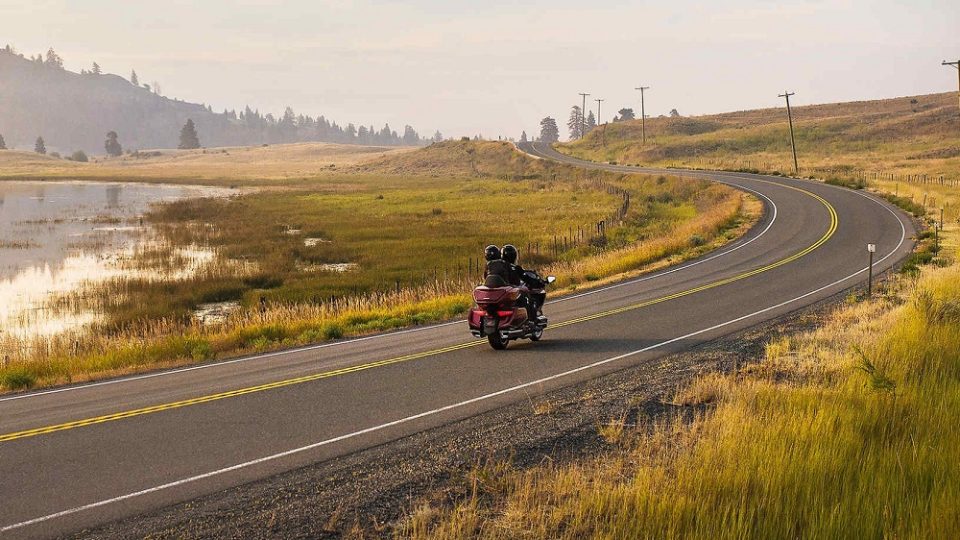
A motorcycle is more than a vehicle—it is a blend of engineering, personal expression, and movement. From daily commuting to long-distance touring, motorcycles offer a unique riding experience that balances efficiency with excitement. Their compact design, responsive handling, and open-air feel continue to attract riders across generations and cultures.
What Is a Motorcycle?
A motorcycle is a two-wheeled motorized vehicle designed for solo or dual riding. Unlike enclosed vehicles, it exposes the rider to the environment, making every journey more immersive. Modern motorcycles range from lightweight urban machines to powerful highway cruisers, each built for a specific purpose.
Core Components of a Motorcycle
Understanding the main parts helps riders appreciate how motorcycles function:
-
Engine – The power source, typically fueled by petrol or electricity
-
Frame – The structural backbone supporting all components
-
Transmission – Transfers engine power to the wheels
-
Suspension – Absorbs road impact and maintains stability
-
Braking System – Ensures controlled stopping and rider safety
-
Wheels and Tires – Provide grip, balance, and maneuverability
Types of Motorcycles
Motorcycles are designed with different riding styles in mind. Choosing the right type depends on how and where you ride.
Street Motorcycles
Built primarily for paved roads, these motorcycles focus on agility and comfort.
-
Ideal for commuting and city riding
-
Balanced fuel efficiency and performance
Cruiser Motorcycles
Known for relaxed riding posture and strong low-end torque.
-
Comfortable for long, steady rides
-
Emphasis on style and smooth cruising
Sport Motorcycles
Engineered for speed, acceleration, and sharp handling.
-
Lightweight frames and aggressive riding position
-
Designed for performance-oriented riders
Adventure and Touring Motorcycles
Built to handle long distances and mixed terrains.
-
Upright seating and luggage options
-
Suitable for cross-country and off-road travel
Benefits of Riding a Motorcycle
Motorcycles offer practical and personal advantages that go beyond transportation.
-
Fuel efficiency compared to most cars
-
Lower maintenance costs due to fewer mechanical parts
-
Ease of parking in crowded urban areas
-
Enhanced road awareness and rider engagement
-
Sense of freedom that enclosed vehicles cannot replicate
Motorcycle Safety Essentials
Riding responsibly is essential for both enjoyment and protection.
Protective Gear Matters
Wearing the right gear significantly reduces injury risk:
-
Helmet – Protects the head and improves visibility
-
Gloves – Enhances grip and protects hands
-
Riding jacket and pants – Shields against abrasion
-
Boots – Provide ankle support and stability
Smart Riding Habits
-
Stay visible and anticipate traffic movement
-
Maintain safe following distances
-
Avoid riding in poor weather when possible
-
Never ride under the influence
Basic Motorcycle Maintenance
Regular maintenance keeps a motorcycle reliable and safe.
-
Check tire pressure and tread frequently
-
Monitor engine oil levels and change as recommended
-
Inspect brakes and cables for wear
-
Keep the chain clean and properly lubricated
Consistent care not only extends the motorcycle’s lifespan but also improves ride quality.
The Culture Behind Motorcycles
Motorcycling has grown into a global culture defined by community and individuality. Riders often form clubs, attend rallies, and share experiences that create strong social bonds. For many, a motorcycle is a symbol of independence, discipline, and personal identity rather than just a machine.
FAQs
1. Is riding a motorcycle difficult for beginners?
Learning takes practice, but with proper training and gradual progression, beginners can become confident riders.
2. How often should a motorcycle be serviced?
Service intervals vary, but routine checks every few months or after a set mileage are recommended.
3. Are motorcycles suitable for daily commuting?
Yes, especially in urban areas where traffic congestion and parking are concerns.
4. What makes motorcycles more fuel-efficient than cars?
Their lighter weight and smaller engines consume less fuel for the same distance.
5. Can motorcycles be ridden in all weather conditions?
They can, but rain, fog, and strong winds require extra caution and proper gear.
6. How long does a motorcycle typically last?
With regular maintenance, many motorcycles remain reliable for decades.
7. Do motorcycles require special licenses?
In most regions, riders must obtain a dedicated motorcycle license or endorsement before riding legally.
