
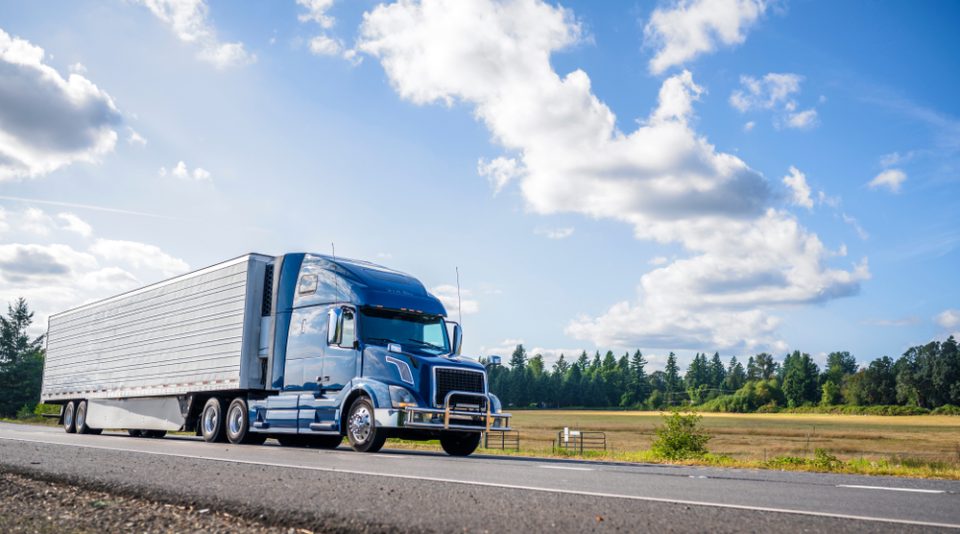
Vehicles are more than machines on wheels—they are enablers of movement, productivity, and connection. From personal commuting to global logistics, vehicles influence how cities grow, how businesses operate, and how people experience freedom and time.
What Defines a Vehicle?
A vehicle is any conveyance designed to transport people or goods from one place to another. While designs vary widely, most vehicles share core components such as a power source, control system, chassis, and safety features. Over time, innovations in materials, energy, and software have transformed vehicles into smarter, cleaner, and safer tools.
Major Categories of Vehicles
Personal Vehicles
Designed primarily for individual or family use, these focus on comfort, efficiency, and convenience.
- Cars (sedans, hatchbacks, SUVs)
- Motorcycles and scooters
- Recreational vehicles for travel and leisure
Commercial Vehicles
Built to move goods or provide services, prioritizing durability and load capacity.
- Trucks and vans for freight
- Buses and coaches for mass transit
- Special-purpose vehicles (construction, emergency response)
Public Transportation
Essential for urban mobility and sustainability.
- City buses and rapid transit
- Rail-based systems
- Shared mobility services
Powertrains and Energy Sources
The heart of any vehicle is its powertrain. Today’s landscape includes multiple options, each with trade-offs.
- Internal Combustion Engines (ICE): Proven and powerful, but fuel-dependent
- Electric Vehicles (EVs): Zero tailpipe emissions, quieter operation, lower running costs
- Hybrid Systems: Combine fuel and electric power for flexibility
- Alternative Fuels: Hydrogen, biofuels, and synthetic fuels are emerging solutions
Safety and Technology Advancements
Modern vehicles integrate technology to reduce accidents and enhance comfort.
- Advanced driver assistance systems (adaptive cruise control, lane keeping)
- Active and passive safety (airbags, crumple zones)
- Connectivity features (navigation, real-time diagnostics)
These innovations are steadily moving the industry toward autonomous driving, where software handles complex traffic decisions.
Environmental Impact and Sustainability
Transportation significantly affects air quality and climate. Efforts to reduce this footprint include:
- Lightweight materials to improve efficiency
- Electrification and renewable energy integration
- Smarter traffic management to cut congestion
Sustainable vehicles are no longer niche; they are becoming the industry standard.
The Economic Role of Vehicles
Vehicles drive economic activity by enabling trade, employment, and services. They support:
- Supply chains and last-mile delivery
- Tourism and hospitality
- Urban development and regional connectivity
Investment in vehicle infrastructure often correlates with broader economic growth.
The Future of Vehicles
The next decade will likely redefine mobility. Key trends include:
- Autonomous and semi-autonomous systems
- Shared mobility over ownership
- Software-defined vehicles with over-the-air updates
These shifts aim to make transportation safer, cleaner, and more accessible.
Frequently Asked Questions (FAQ)
1. How do electric vehicles differ in maintenance compared to traditional vehicles?
Electric vehicles typically require less maintenance because they have fewer moving parts and no oil changes.
2. Are autonomous vehicles already in everyday use?
Most are still in testing or limited deployment, though many cars already use partial automation features.
3. What factors should influence the choice of a personal vehicle?
Usage needs, fuel or energy costs, safety features, and environmental impact are key considerations.
4. How do vehicles affect urban planning?
They influence road design, parking infrastructure, public transit investment, and city density.
5. Can alternative fuels fully replace gasoline and diesel?
They have strong potential, but widespread adoption depends on infrastructure, cost, and energy availability.
6. Why are commercial vehicles designed differently from personal cars?
They prioritize payload capacity, durability, and operational efficiency over comfort and aesthetics.
7. What role will software play in future vehicles?
Software will increasingly control performance, safety, updates, and even customization, making vehicles more adaptable over time.
